Sofia Coppola’s recently released Priscilla was one of my favorite films of 2023. I think Coppola creates such special work, and I am admittedly a huge fan of The Virgin Suicides and Marie Antoinette. She is great at depicting loneliness and isolation, especially the kind of isolation that can look so glamorous from the outside. Priscilla masterfully wove together themes from her previous works, while also creating a new piece of art that was incredibly directed and beautifully shot.

Priscilla Presley was thrust into the spotlight at a very young age, not by any action of her own, but because of who she was romantically involved with. This relationship was, I think we all agree now, predatory and unhealthy, and the age gap and power dynamics played a huge role in that. Elvis was the King, and Priscilla’s every move and appearance was monitored by him and by the whole world. Marie Antoinette was also stuck in a less-than-ideal relationship, albeit for different reasons of course, but this relationship defined how the public viewed her and thrust her into the spotlight in more ways than one. Coppola’s versions of these characters are sympathetic to the women themselves, and also create an avenue of relatability for modern audiences. Turning two very well known ideas of “women” into flesh-and-blood people is no small task, but Coppola makes it look remarkably easy. The way that Priscilla of Priscilla feels so lonely because of the constant absence of the man who she dropped literally everything for is heartbreaking, and when she has to watch him have affairs with other women yet refuse to be intimate with her, it’s clear why she would feel so isolated from not only the rest of the world, but from who she has chosen to spend her life with. That actually reminded me quite a bit of how Marie Antoinette (of Marie Antoinette) was trying so hard to get pregnant in order to provide an heir, yet had so much difficulty getting her husband to be intimate with her, too. I think that Coppola’s usage of how that rejection impacted both women is extremely powerful and honestly not a dynamic I can recall seeing in very many other films.
Another interesting aspect that I found in both movies was the way that both women had so much feedback on the way they dressed, and were encouraged or even forced to appear in a certain way because of their new status. Priscilla and Marie were both just girls, and oftentimes Coppola created a feeling of them over-performing womanhood and adult femininity, overcompensating for their lack of years with lots of eye makeup or layers of skirts. I think Marie was truly unaware of her situation, and Priscilla could see it, but she was so hopeful and desperate to believe otherwise that she unintentionally allowed herself to be fooled by Elvis’s charms and lies over and over. Both women, while shown to be intelligent, were lulled into a certain type of naivety about their situations. The gilded cages they found themselves in were comfortable in many ways, and there was no easy way out. This is emphasized by the style of the films themselves, aesthetically beautiful while trapping the subject in the frame.

In terms of Coppola’s casting, Kirsten Dunst as Marie and Cailee Spaeny as Priscilla are both uniquely marvelous choices. Both embody a certain youthfulness that is so crucial to getting these characters right. Dunst and Coppola have collaborated three times, and the work they do is nothing short of magical. Spaeny is new to the Sofia Coppola Cinematic Universe, but very quickly proves herself with a captivating and nuanced performance. Her and Coppola work together to create a version of Priscilla that is both truthful and also compelling enough to garner our attention and empathy for an hour and a half. They make it look easy, but it really, really isn’t.
Some of the scenes from Priscilla that felt most reminiscent of The Virgin Suicides were when she was in high school, listening to all of her classmates whisper about her and discuss her life like it was theirs to consume. The Lisbon girls in The Virgin Suicides were placed on a pedestal in their communities, and the boys in their neighborhood revered them with a similar sense of awe. This sense of infamy that surrounded Priscilla and the Lisbons created in them a feeling of isolation and disconnection from their peers that, in turn, forced them directly into the fates that they could’ve maybe avoided if they hadn’t felt so miserable and alone.
Something I’ve heard, both firsthand and also secondhand through social media, is that Priscilla felt “boring” or “slow” to people. That criticism is not entirely unfounded, as the film is by no means flashy, but I feel disappointed that what I like about it so much is met with indifference by many others. The lives of the Presleys, of Elvis and by extension of him Priscilla, were likely thought by the general population to be crazy and amazing and exciting, and Elvis (2022) is very effective in communicating that flashiness and extravagance. But that wasn’t Priscilla’s experience. She remembers long days that turned into weeks into months, sitting in Elvis’s mansion by herself or with the people on his payroll, not allowed to go anywhere or do much of anything. She tries to get a job at a boutique, just to have something to do, but Elvis won’t allow that. Her life is boring! It seems glamorous from the outside, but Priscilla is being suffocated by the mundanity of her reality, and the loneliness of it all is killing her. She always has to keep up appearances, has to dress and act and be a certain way, and can never step out of line. And that line is always moving–one memorable scene from the film shows Elvis asking her opinion, and as Priscilla tries desperately to find the right words, agrees with Elvis’s opinion, only for him to throw a chair at the wall because he didn’t like what she said.
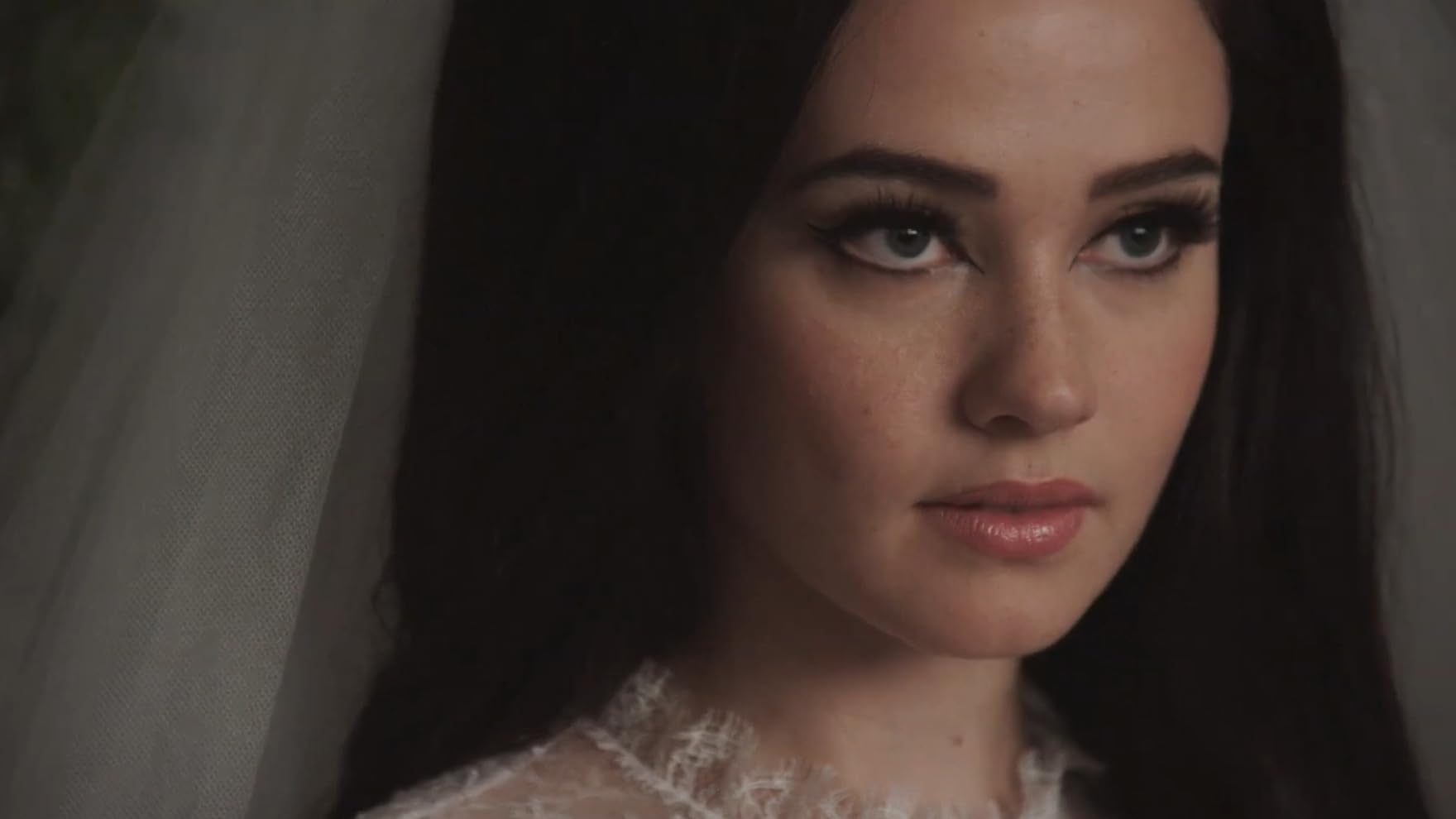
Things get bleaker and bleaker for Priscilla, until finally, they don’t. One key difference in Priscilla from most of Coppola’s other works is that she gets her freedom, she gets her happy ending. She gets to spread her wings and fly out of her cage. The Lisbons’ lives, and Marie Antoinette’s, were cut tragically short, but Priscilla is able to reclaim her life and live the rest of it however she chooses, no longer locked away in the Presley estate. The needle-drop at the end being the song that was played at the real-life Elvis and Priscilla wedding, “I Will Always Love You” by Dolly Parton, is the perfect cherry on top of an already satisfying scene.
I love watching Sofia Coppola’s films about women, because I think she has a way of expressing certain inner feelings in a very visually appealing and effective way. When her characters feel suffocated, I feel suffocated. Priscilla is no different, and while it may not have garnered her a Best Director nomination or Cailee a Best Actress nomination, their work on the film was truly remarkable and I feel lucky to be around to see films like this put out into the world. More Sofia Coppola movies about lonely women, please!
 “guess i'll see you in the movies”
Leave a comment