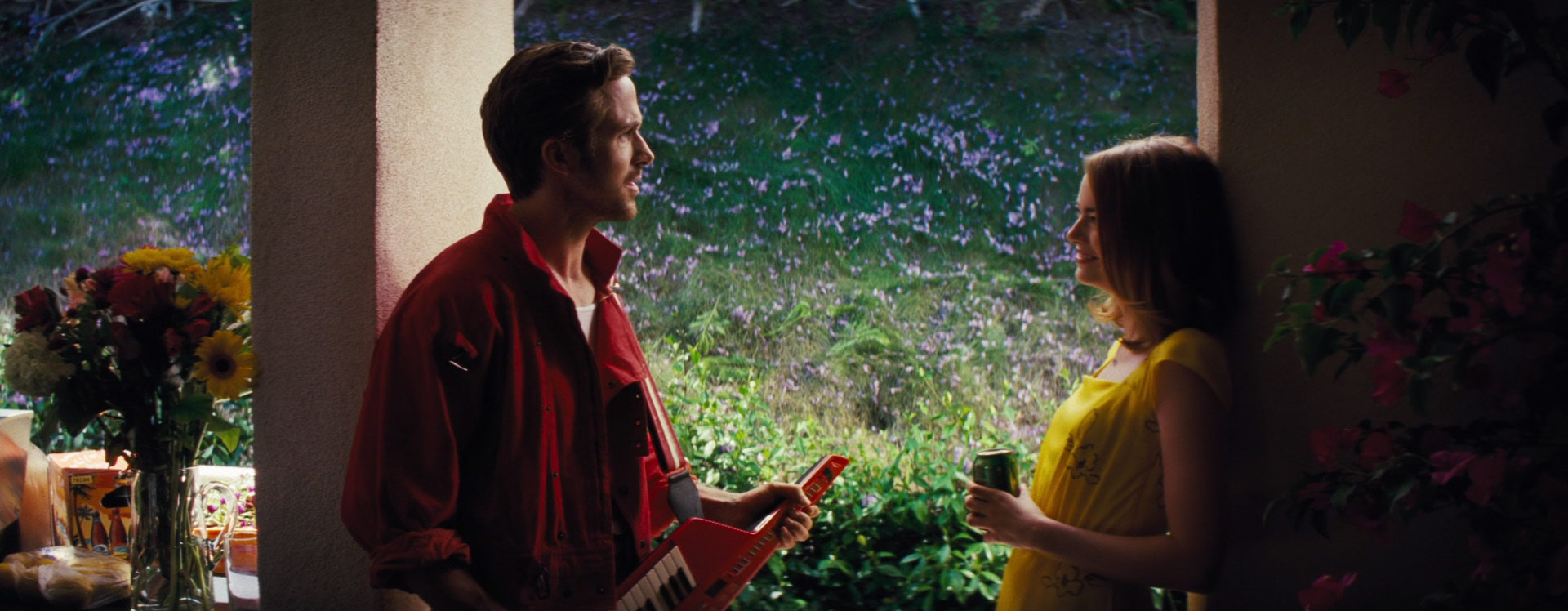
THE SUBSTANCE, now my favorite film of 2024, written and directed by mastermind Coralie Fargeat (Revenge, 2017) explores themes surrounding beauty standards, how the general public views aging, how women are treated based on their level of desirability, addiction, and the self-destructive nature that all of this internal conflict creates. The film addresses these ideas through the lens of an aging star, Elisabeth Sparkle, and the lengths she goes to to try to satisfy her desire for beauty and acceptance. The Substance is a biting horror-satire, a huge moment for the ‘body-horror’ subgenre that was popularized in the general consciousness in the 1980s by David Cronenberg. What the film doesn’t do is hold back, and The Substance lets loose in the 2-hour-20-minute runtime, culminating in a well-earned 30 minute finale that has left audiences experiencing basically every emotion at once.
*I don’t think I can say what I want to say and keep it spoiler-free, so proceed with caution. also this is a body horror movie so there are some disturbing descriptions*
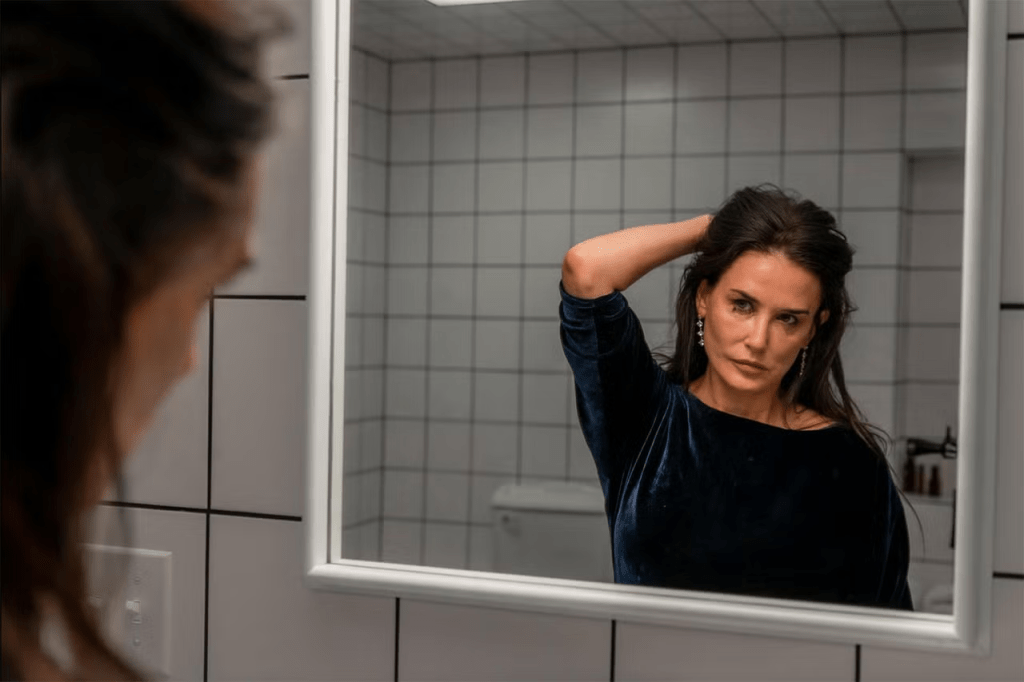
Elisabeth Sparkle, played by Demi Moore in what many are saying is the highlight of her career, is a victim of this appearance-obsessed society. While the universe that The Substance takes place in is very different than the one we live in, it does serve as a mirror to our own. Perhaps a funhouse mirror, one that alters the shape and creates a “comedic” image. But just like the Substance itself, the distorted mirror image did not create anything new. It all comes directly from the source. The Substance only reflects back themes that already exist in many women’s lives, contorting them to make a very defiant and clear statement.
In our own lives, each of us encounters dozens, or hundreds if you’re bored enough, of one-minute videos per day, and depending on your algorithm, can be overwhelmed by image upon image of women discussing how best to stay looking youthful, how to get rid of wrinkles or achieve “glass skin,” with filters that erase blemishes and imperfections. For centuries, women have put themselves through discomfort or some type of pain or another for the purpose of beauty or the appearance of youth. When I was growing up, the practice of injecting one’s face or body with chemicals or filler of any kind never really existed outside of my mom talking about how some famous actress or another “ruined” her face. As procedures become more widespread and more accessible, and with social media’s involvement, fillers and plastic surgeries only seem to be growing in popularity. Nowadays, it will often be said by people who elect for these types of treatments that they just want to “enhance” their own features, not to create something unrecognizable in the process. They’re hoping that maybe, just maybe, a bit of youth will be returned, or a void will be filled, physically or emotionally (you can decide for yourself). We are so obsessed with ourselves, and our image, and are willing to be cut open to improve it. The pain is a worthy side effect, recovery time and physical limitations accepted with open arms if they come with Beauty. We desperately try to hide the ugly parts of ourselves, but are also quick to pinpoint and judge the ugly parts of the people in the spotlight.
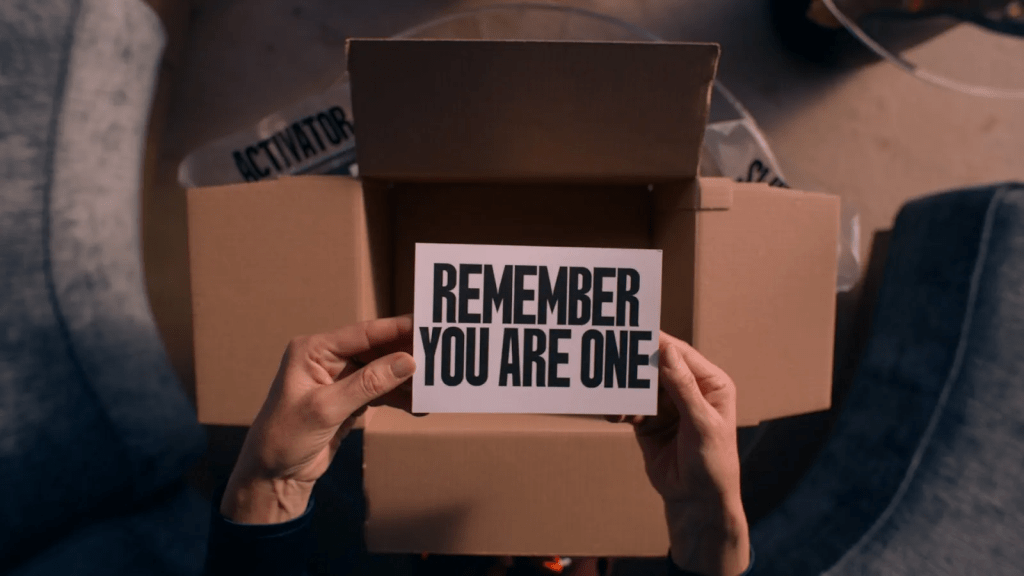
After narrowly escaping death by car crash, Elisabeth is gifted a flash drive containing information about the Substance, with a note that simply reads “It changed my life.” At first, she throws it away–too weird. Later, faced with a reminder that she is past her prime and at her lowest point yet, she digs through her trash and finds the flash drive again, which leads her to acquiring the medical kit with the syringes and the Substance. When Elisabeth injects herself with the Substance, she willingly puts herself through blinding pain and so, so, so much bodily trauma. When a new version of her emerges out of her body, Elisabeth has finally achieved her goal. She has returned to being young. The Substance did not create anything that didn’t previously exist, only allowed her to unlock her potential, with a younger, better, more “perfect” version of herself.
Elisabeth dons a new identity, now played by Margaret Qualley in a masterclass of a performance. She becomes “Sue” and proceeds to audition for the show that Elisabeth had just been fired from. The producer of the TV show, played by Dennis Quaid and aptly named “Harvey” is the personification of disgusting male gaze and massive ego. He is the one who had lead the charge to remove Elisabeth, even though he is far older than Elisabeth–age doesn’t matter if you’re a man, obviously. Now, he’s very busy “discovering” the next big star. While Elisabeth was too old and deemed undesirable and unappealing, Sue – who, we have established, is entirely comprised of Elisabeth, is exciting, alluring, sexy, perky, everything Harvey knows the viewers are looking for. Sue is treated better by Elisabeth’s neighbors, she gets more opportunities, people want to be around her, and she gets praised for doing basically nothing except looking pretty and smiling. Sue becomes addicted to being young and desirable again, and even though the Substance requires a swap every 7 days exactly, Sue cheats the system and adds extra days to her “experience,” without a thought of how it will impact her/Elisabeth’s body.

The deepest horror begins with the fight between Elisabeth and Sue for control of her consciousness. When Elisabeth wakes up after Sue extends her 7 days to 8, she finds that one of her fingers has aged at an accelerated rate. She tries to blame Sue for the mishap, but she is corrected–there is no “her,” there is only “you.” Elisabeth spends her days locked in the apartment, watching trash TV and binge-eating. Sue spends her days in front of cameras and reveling in her own youth and beauty. Elisabeth and Sue grow to despise each other, even though they are “one,” When Sue wakes up the next time, in her perky perfect glory, there is a “gift” left from Elisabeth, an entire chicken leg that she pulls out of her body via her bellybutton, in a very Videodrome-esque manner. (There is an implication this is/might be a nightmare sequence, but the point stands.) Simply put, Elisabeth is jealous of Sue, and Sue is disgusted by Elisabeth. This version of rivalry acts like another fun-house reflection with warped imagery of the world we live in, one in which self-hate is normalized and natural, expected even.
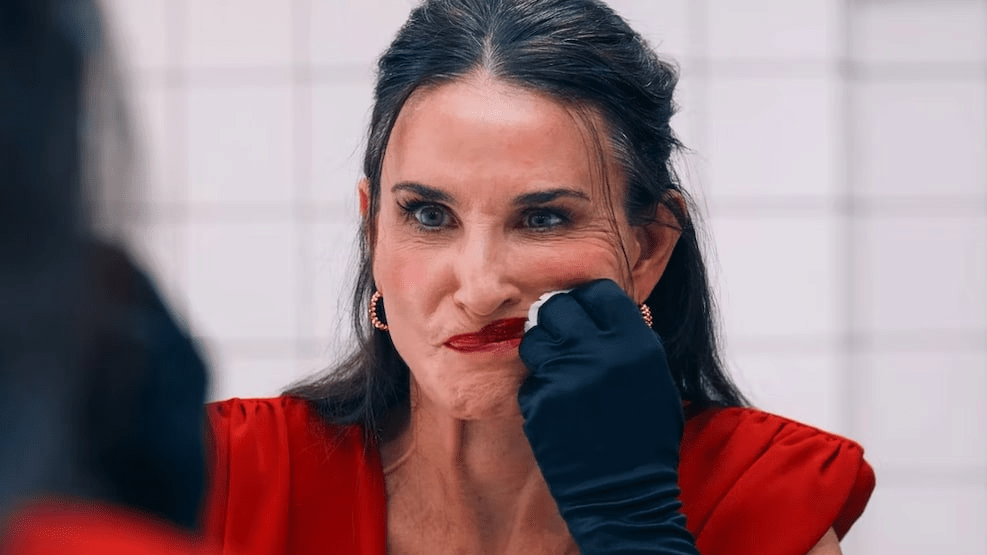
At one point, Elisabeth tries to make the most of her time and go out to dinner with an old friend. She uses gloves to cover up her rapidly-aging fingers and gets dressed up and puts on makeup. As she is on her way out, she sees an image of Sue, and retreats to the mirror, where she adds more makeup. Eventually satisfied, she turns to leave again, only to be greeted by a different reminder of Sue. Back to the mirror, more makeup, more adjusting, this time angrier. This cycle continues an agonizing amount of times, and we are forced to watch as the clock ticks and she becomes late for this dinner, and in anger Elisabeth smears her lipstick all over her face before giving up entirely, missing the dinner and standing up the friend who texts and calls to no avail. The underlying truth of this sequence is not exclusive to the character within the film–I can attest for myself and I’ve seen others say that they resonated with this scene, where nothing fits right or looks right and everything is wrong and out of place. However, Elisabeth’s experience is exaggerated greatly because she spends half of her time looking in the mirror and seeing Sue, and she already was unhappy with her appearance pre-Substance. Every flaw is amplified, every wrinkle stands out, nothing will satisfy her. Her self hatred is palpable here, and the bright red colors amongst the white and black tile make up a genius shot, where the anger feels impossible to escape.
In addition to the dialogue the film opens up about self image and the inner lives of women in the public eye dealing with the pressures of holding to the beauty standard, Fargeat explores the way the shiny new toy, and the discarded old one, gets treated by the media and mainstream public. The new generation, so to speak, is nothing more than an amalgamation of those who came before them. And yet, they refuse to acknowledge it–Sue goes on a late night show and insists she barely knows who Elisabeth Sparkle was, and even diminishes her accomplishments and laughs at her expense. It deeply upsets Elisabeth, who is further and further gone, aging at such rapid speed as Sue steals day after day after day away, consistently going over her 7-day limit. Is Sue’s response an act of self-hate, or is it a showcase of the public erasure and ignorance of the accomplishments made by women who have aged out of the need for our attention? Is it a commentary on how the younger generation bleeds the older generation dry, using up every last drop for their own benefit and leaving them alone to rot? This also ties in to the conversation on addiction, where Elisabeth has become so addicted to being Sue that she turns her back on her own body and her old life, obsessed with the attention she gets from the world and despising her days spent in her aging body. Even when Elisabeth gets back in her body to find she has aged to the point of near-immobility and is horrified by her own appearance, she can’t bring herself to end the life of Sue, who represents everything she is so desperate for.

All anyone wants to talk about in regards to this film are the last 30 minutes, and I’d be lying if I said I didn’t also. All of the events come to a head when Sue, preparing to host the New Year’s Eve special on live TV, starts decaying rapidly, losing teeth, an ear, fingernails, etc. She sees no other option but to use the activator Substance again, even though it’s single-use only, begging for a better, prettier version to appear. Instead, what emerges is a monstrosity–literally. With more faces, eyes, ears, and body parts than I could really count, “Monstro Elisasue” puts the previous “gross” old-lady Elisabeth to shame. Even in its hideous form, Monstro Elisasue can focus on nothing but getting herself ready for the New Year’s Eve special. After the insane journey that Elisabeth has embarked upon, one driven by self-hate and a desire to be beautiful, she has turned into a true monstrosity. And yet, in her monstrous form, she still takes the time to get herself ready, admiring the earrings dangling from her hyper-deformed features, and taking the time to curl the few strands of hair left, even though they burn off. Monstro Elisasue in some ways is happier with herself than Elisabeth ever was, if just for the fact that she is able to get ready and leave the house, contrasting with the earlier scene of Elisabeth unable to do so. Might this be a depiction of radical self-acceptance? As she arrives at the venue, she sees the faces of the people who admire her, telling her she’s beautiful, saying they couldn’t start the show without her. But, of course, it’s just a dream. When Monstro Elisasue finds herself on stage, she is unsurprisingly met with horrified screams.
The reaction to Monstro Elisasue is not surprising, and yet, there is still a strong element of heartbreak, as she attempts to cry through the crowd, “It’s me!” in a plea to get the crowd to recognize her as Sue and admire her once more. In more ways than one, being a hideous monster stood on a stage in front of an audience who are all screaming in horror at how disgusting she looks is exactly what Elisabeth had felt like at the very beginning of the story, being told she is old news and no longer desirable, getting a letter that was addressed to her in the past tense, as if she was already used up. The literal bloodbath that follows is just absolute classic Coralie Fargeat at her finest–one of my favorite parts of Revenge was the unreal, comical even, amounts of blood, and seeing Monstro Elisasue coat the entire room in a layer of blood that she couldn’t or wouldn’t stop spraying everywhere was genuinely epic. Then later, the way she kept on crawling, even as her entire body was getting dismembered, away and towards her star on the Hollywood Walk of Fame was a true cinematic full-circle moment, and the finality of Elisabeth/Sue/Monstro Elisasue’s life was sad, and yet had a dark humor infused in it. The film ends with Elisabeth, in a twisted way, coming to an agreement with herself, and an understanding, finally able to appreciate what she once had. The bitter part lies in the fact that she was too late, and she has already lost herself to the Substance, to the masses, and to her own insecurities.
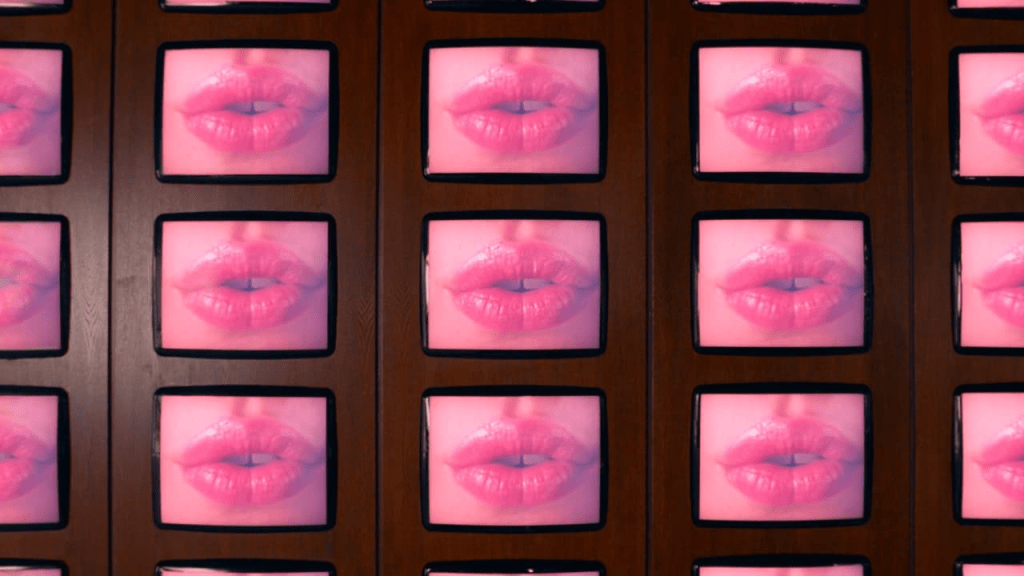
I know Fargeat loves to infuse humor into her films to break up the tension, which was done very well, but it did feel hard to laugh at Elisabeth sometimes- I felt for her so much, and I felt heartbroken for her. That just goes to show how effectively Coralie Fargeat wrote the world and wrote her character, she felt real, even in the heightened universe that The Substance takes place in. I feel very strongly that Fargeat is a genius and an absolute master of her craft, I knew it from her debut and I’m so excited that her sophomore outing was just as successful as the first, even more so in terms of US markets.
I haven’t found a film I’ve felt strongly enough about to want to write about in about 6 months so… thank you Coralie Fargeat for this!
xx
kendall

 “guess i'll see you in the movies”
Leave a comment